TL;DR: The American Red Cross marked September as National Preparedness Month with a three-part call to build a kit, make a plan and stay informed, plus low-cost ways to start with items already at home.
September Brings National Call To Get Ready
September is National Preparedness Month, and the American Red Cross is sharing tips on how people can prepare before a disaster or emergency occurs, according to the WHSV report titled "American Red Cross shares disaster preparedness tips for National Preparedness Month."
That report, by BriAsia Kelley and published Sept. 16, 2026 at 11:56 p.m. EDT in Harrisonburg, Va., said the organization urges families to take action now, saying disasters can strike anytime and anywhere.
The 2026 federal theme is "Americans Stand Ready," according to the GovInfo feature titled "National Preparedness Month, 2026," published September 16, 2026. The feature said the goal of National Preparedness Month is to increase the number of individuals, families, and communities that engage in preparedness actions.
The GovInfo feature cited a Presidential Message on National Preparedness Month from the White House dated September 2, 2026. It also noted that in 2003, the Department of Homeland Security launched the National Ready Campaign to promote preparedness through public involvement, by empowering Americans to prepare for, respond to, and mitigate emergencies, including natural and manmade disasters.
Why Families Wait Until It Is Too Late
Jonathan McNamara, communications director at the American Red Cross, Virginia Region, described a pattern heard after disasters, according to WHSV.
"They say they never thought it'd happen to them," McNamara said, adding that people had gone many years without experiencing a disaster and then suddenly something occurs.
McNamara also described conversations in emergency shelters with families displaced by a severe storm or a hurricane, tornado or flood, according to WHSV. He quoted a frequent regret: "I wish I had just taken a few simple steps to make sure that I was ready."
Beyond natural disasters such as storms, floods, hurricanes or tornadoes, emergencies can happen at home, at work or while traveling, WHSV reported.
The Avery Journal report titled "National Preparedness Month: Simple, budget-friendly steps to help your family prepare for emergencies," dated Sep 16, 2026, gave the same warning in different terms. It said disasters can strike overnight, during a commute or while children are at school.
The Three Steps From Virginia Red Cross
The American Red Cross recommends three steps for families to follow, according to WHSV.
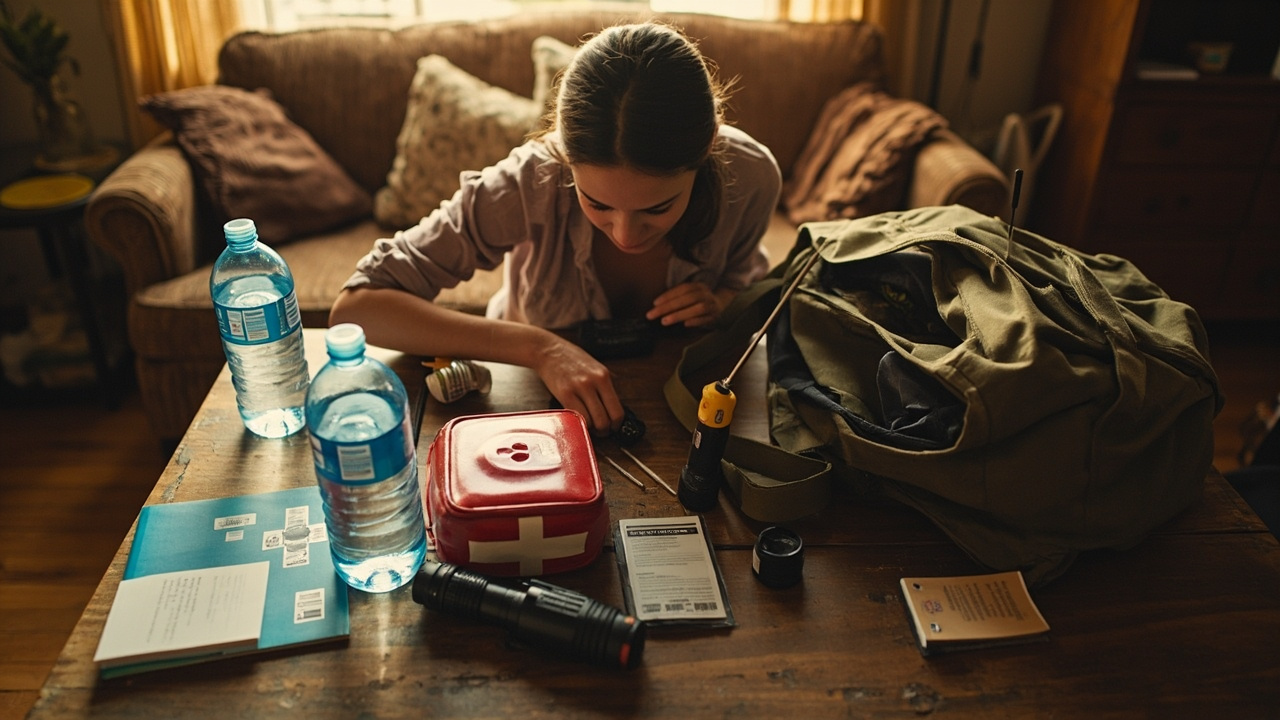
First, build a kit. It should include items such as water, food, a flashlight, a battery-powered radio and a first aid kit.
Second, make a plan. Decide where to go if evacuation is necessary, and include pets in that plan. Know how to contact all family members.
Third, stay informed. The Red Cross recommends downloading the free Red Cross Emergency app for real-time alerts, emergency information and preparedness resources.
Those three actions — kit, plan and information — appear across Red Cross regional messages for September, with Utah and Virginia offices listing matching supply categories and planning prompts.
Start With What You Already Own
"Getting prepared doesn't mean buying everything at once," said Heidi Ruster, Chief Executive Officer of the American Red Cross Utah/Nevada Region, according to the Standard-Examiner report titled "American Red Cross of Utah shares low-cost, no-cost ways to prepare for disasters" dated Sep 12, 2026.
Ruster added, "Start with what you already have, make a plan and add a few useful items as your budget allows," and said a simple emergency kit ready when needed is far more useful than an expensive one never built.
The Utah report said emergency preparedness can start with a backpack from a closet, a flashlight already in a drawer and a few extra supplies added during regular shopping trips.
A basic emergency kit does not need to come together in one shopping trip, according to that report. Before buying anything, it advised looking around the home for supplies already owned.
It listed a backpack, duffel bag or plastic container to hold emergency supplies. It listed flashlights, blankets, extra charging cables, reusable water bottles, a manual can opener, basic tools and hygiene items as examples that may already be around the house.
It also advised checking closets and drawers for extra clothing, sturdy shoes, towels, work gloves and other useful items. It advised making copies of important documents and writing down emergency phone numbers to have them if a phone cannot connect to the internet.
Build A Go-Kit And A Stay-At-Home Kit
The Red Cross recommends having a go-kit with at least three days of supplies that can be taken quickly during an evacuation, according to the Standard-Examiner.
A stay-at-home kit should include two weeks of food and water and, if possible, a one-month supply of medications, the same report said.
Emergency supplies should include water, nonperishable food, a flashlight, first aid supplies, a battery-powered or hand-crank radio, batteries, phone chargers, hygiene supplies, copies of important documents and emergency contact information, according to the Standard-Examiner.
Other useful items may include N95 masks, work gloves, extra keys and a multipurpose tool, that report said.
Families with young children may need diapers and formula, according to the Standard-Examiner. Pet owners should include food, medications, leashes, carriers and bowls. People who rely on medical equipment should plan for backup power or batteries when possible.
The Avery Journal report also distinguished a go-kit and a stay-at-home kit and directed readers to Red Cross supply lists for contents.
Keep Costs Down One Item At A Time
There is no need to buy an emergency kit all at once, according to the Standard-Examiner. It advised adding one or two items as budget allows during regular shopping trips.
Discount stores, clearance sections and sales can help lower the cost of bottled water, shelf-stable food, hygiene products, batteries, first aid supplies and other basics, that report said.
Secondhand stores can also be a good place to find sturdy backpacks, blankets, rain gear, extra clothing and some household items for less, according to the Standard-Examiner. It advised checking anything bought carefully to make sure it is clean and in good working condition, and avoiding reliance on used safety equipment, medications or other items that may be expired, damaged or unreliable.
The Avery Journal report listed similar budget tactics. It asked whether an area has tax-free days for emergency supplies, suggested building a kit slowly by getting one item at a time, and listed looking for sales including buy one, get one free, plus clearance bins, coupons and discount stores.
Make A No-Cost Family Plan
A great place to start, and one that will not cost anything, is to develop an emergency plan, according to the Avery Journal report.
It advised picking two places to meet right outside the home and another outside the neighborhood. It advised thinking about how household members will evacuate, where they will go and how they will get there.
It also advised including pets in the plan, making emergency contact cards for the whole family in case the internet is down, and saving the information on everyone's phone.
The Standard-Examiner listed the same no-cost planning actions. It advised choosing two meeting places, one near the home and another outside the neighborhood, and talking about where to go if evacuation is required and how everyone would get there.
It also advised writing down important contacts and keeping phone numbers for family members, schools, medical providers and other important contacts somewhere besides a phone in case internet or cellular service is unavailable.
For pets, it advised knowing where pets can go during an evacuation and keeping contact information for pet-friendly hotels, shelters or other places that can accommodate them.
Stay Informed With Free Alerts And Apps
Download the Red Cross Emergency app which helps household members before, during, and after a disaster, according to the Avery Journal report. It called this step absolutely free.
The app includes guides to help users prepare, National Weather Service alerts, live weather maps and help locating Red Cross shelters, that report said. It is available in English and Spanish, and designed with accessibility in mind.
To find it, the report said to search for 'American Red Cross' in an app store or visit redcross.org/apps.
The Standard-Examiner gave the same download instruction and said the app provides weather alerts, live weather maps, preparedness information and locations of open Red Cross shelters.
Both regional Red Cross messages also advised signing up for emergency alerts from local government. The Avery Journal report advised finding out how officials communicate critical local information — like evacuation notices — during an emergency.
It also advised learning what disasters or emergencies may occur in the local area. It said these events can range from those affecting only a household, like a home fire or medical emergency, to those affecting an entire community, like an earthquake or flood.
What Utah Responses Show About Home Fires
Utah families can face wildfires, earthquakes, floods, severe winter storms, power outages and home fires, according to the Standard-Examiner.
In 2025 alone, Red Cross of Utah disaster workers responded to 154 home fires across the state and helped 728 people, that report said. So far this year, volunteers have responded to 108 home fires and helped 527 people.
Nationally, wildfire pressure remained high. There were 77,850 reported wildfires in the United States in 2025, according to the GovInfo feature, citing the National Interagency Coordination Center Wildland Fire Summary and Statistics Annual Report 2025. A total of 18,385 structures were reported destroyed by wildfires in 2025, and over 5,000,000 acres of land were burned, according to the same feature.
A working smoke alarm is another important part of emergency preparedness, the Standard-Examiner said. It said the Red Cross of Utah provides free smoke alarm installations and home fire safety information for eligible households through its Home Fire Campaign.
Schools, Workplaces And Community Readiness
Anyone who interacts with a facility is depending on the operator to be ready, according to the Avery Journal report. It asked whether a business, school or organization is prepared for an emergency.
The Red Cross offers a free service, the Ready Rating Program, that helps businesses, schools and organizations become prepared for emergencies, that report said. Ready Rating members have access to tools, resources and information for improving their ability to withstand disaster, maintain operations, and protect lives and property.
Whether a workplace is large or small, it can join this free, self-paced program, according to the Avery Journal report. As a member, it will complete easy self-assessments to measure preparedness and find areas that need improvement.
The GovInfo feature framed community action in national terms. It listed three theme ideas from the National Ready Campaign: Americans stand ready to uphold patriotic duty, Americans stand ready to protect family and friends, and Americans stand ready to help communities.
It said when individuals are prepared and self-reliant, they can bolster the work first responders do to help people on their worst day. It said people know best how to keep loved ones safe when things go wrong. It said taking a proactive approach to get a community ready contributes to the nation's resilience.
Sources referenced
- American Red Cross shares disaster preparedness tips for National Preparedness Month - WHSV (https://www.whsv.com/2026/09/17/american-red-cross-shares-disaster-preparedness-tips-national-preparedness-month/)
- American Red Cross of Utah shares low-cost, no-cost ways to prepare for disasters - Standard-Examiner (https://www.standard.net/lifestyle/home_and_family/2026/sep/12/american-red-cross-of-utah-shares-low-cost-no-cost-ways-to-prepare-for-disasters/)