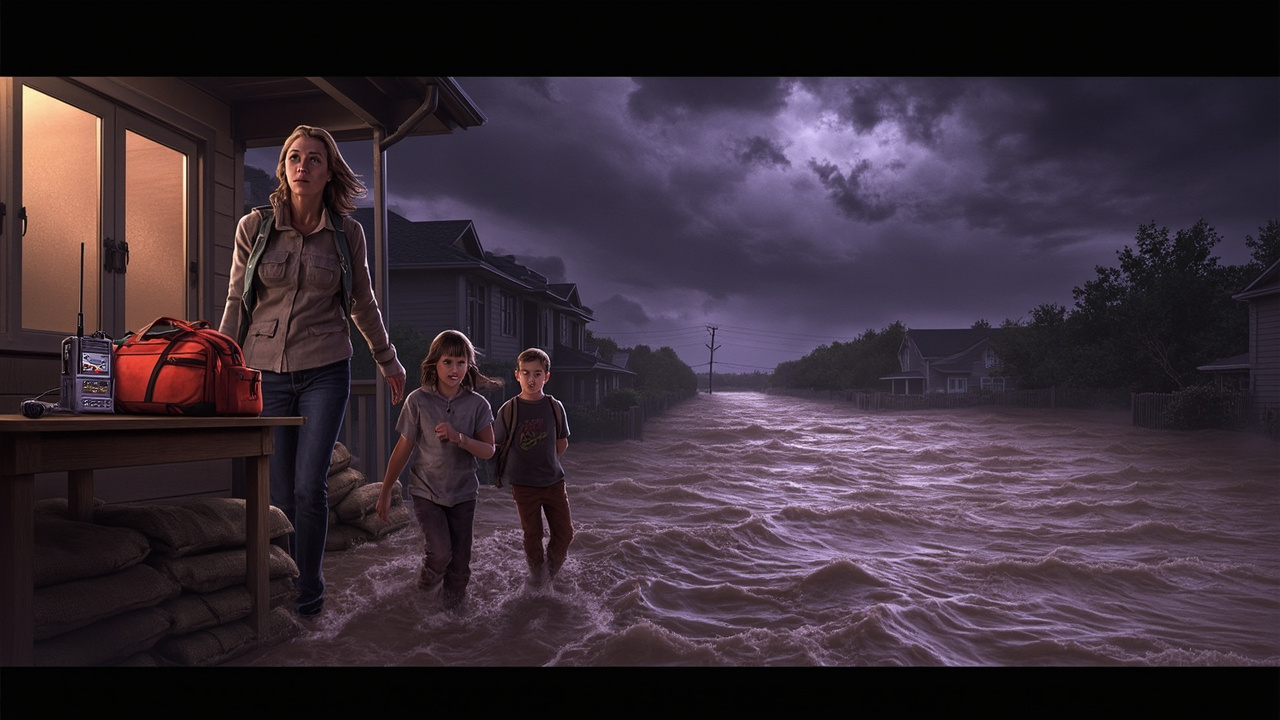
TL;DR: Keep children out of all moving floodwater, never drive through flooded roads, and keep children, teens and pregnant women out of cleanup until areas, toys and clothing are cleaned and disinfected.
Floods are among the most common type of natural disaster in the United States, and flooding typically occurs after heavy or prolonged rain, or the rapid melt of snow, according to Flash Flood Safety & Recovery Information for Families - HealthyChildren.org. That guidance notes floods have been happening more frequently, caused in part by removing trees, building communities and climate change.
For families, the core answer is preparation before rain, strict avoidance of water and roadways during the event, and a slow, hazard-checked return afterward. The aftermath of a flash flood can be almost as hazardous as the flood itself, with three big reasons being electrical dangers, mold and contaminated water, and children are especially vulnerable to these environmental hazards, according to Flash Flood Safety & Recovery Information for Families - HealthyChildren.org.
What makes flash floods different
Flash floods are different than regular floods. They happen more suddenly — within 6 hours, or sometimes even within minutes — during heavy rains or storm surges, or when dams or levees give way, according to Flash Flood Safety & Recovery Information for Families - HealthyChildren.org.
The intense force of the moving water, along with debris such as trees and boulders that gets swept up, make flash floods extremely destructive. A gallon of water weighs 8 pounds; hundreds of gallons of rushing water has thousands of pounds of force.
Just 6 inches of moving water can knock someone down, and 2 feet of moving water can sweep a vehicle away. In fact, the National Weather Service calls flash floods the "number 1 weather-related killer in the United States," according to Flash Flood Safety & Recovery Information for Families - HealthyChildren.org.
City experience shows how fast local conditions can turn. Despite Las Vegas' arid reputation, the city is prone to flash flooding, according to Flash Floods Happen Fast. Unlike flooding in other areas of the country which results from steady, long stretches of rain, flooding in Las Vegas typically results from sudden storms that dump a lot of rain in a short amount of time.
The city's hard, dry soil doesn't absorb water quickly, while pavement and buildings also reduce natural drainage, according to Flash Floods Happen Fast.
Where risk is highest
Flash floods can happen almost anywhere, but risk is higher on steep hills, low-lying spots, urban areas with lots of pavement and regions recently burned by wildfires, according to Flash Flood Safety & Recovery Information for Families - HealthyChildren.org. That guidance directs families to check updated Federal Emergency Management Agency flood maps to see if an area is at risk for flooding.
Low channels deserve special attention. Families should avoid washes and underpasses, which can turn into flowing rivers or deep ponds when heavy rain occurs, according to Flash Floods Happen Fast. That city guidance also warns to be mindful of storms in the area because if heavy rain is occurring nearby, water runoff could flow downstream to a family's location.
What to set up before storms
Monitor a weather radio or local alert systems for current emergency information and instructions, and evacuate immediately if advised, according to Flash Flood Safety & Recovery Information for Families - HealthyChildren.org.
Practical monitoring options include subscribing to weather alerts from the National Weather Service or downloading the Southern Nevada Community Preparedness App to receive alerts about weather in the area, according to Flash Floods Happen Fast.
Home preparation listed in that city guidance includes clearing gutters and drains ahead of stormy weather because clogged gutters and drains can result in water build-up. It also advises keeping an updated emergency kit in the home, vehicle, and place of work if possible that includes flashlights, batteries, water, medications, and copies of important documents.
Two other pre-storm steps are to review insurance because standard homeowner's policies typically do not include flood coverage, and to familiarize yourself with sandbag locations around the valley, according to Flash Floods Happen Fast.
How to protect children during rising water
Do not allow children to walk through or wade into moving flood water, even if it's a basement that gets flooded, according to Flash Flood Safety & Recovery Information for Families - HealthyChildren.org. If trapped inside a building, try to get to the highest level.
During a flood, seek higher ground immediately, avoid walking or driving through moving water, and keep children and pets away from floodwater, according to Flash Floods Happen Fast. That guidance also directs residents to follow official guidance from local agencies, including Clark County Regional Flood Control District, City of Las Vegas Emergency Management, and local law enforcement, and to report hazardous conditions if safe to do so.
Driving rules every teen must know
Remind teens and young adults about the hazards of driving during flash floods, according to Flash Flood Safety & Recovery Information for Families - HealthyChildren.org. Its central rule is turn around, don't drown: never drive through flooded areas or standing water. Shallow, swiftly flowing water can wash a car from a roadway, and the roadbed may not be intact under the water.
Never drive through flooded roads, with six inches of water able to stall a vehicle and twelve inches able to move a vehicle, according to Flash Floods Happen Fast.
If floodwaters rise around a car but the water is not moving, abandon the car and move to higher ground. Don't leave the car and enter moving water. If water is rising in the car, try to get on the roof of the vehicle, according to Flash Flood Safety & Recovery Information for Families - HealthyChildren.org.
Related vehicle rules include being especially cautious at night when it's harder to recognize flood dangers, and not camping or parking a vehicle along streams, rivers and creeks during heavy rainfall because these areas can flood quickly with little warning, according to the same guidance.
Avoid bridges over fast-moving water because rapidly moving water can wash bridges away without warning. Stay inside the car if trapped in fast-moving water, and get on the roof if water is rising inside the car, according to Flash Flood Safety & Recovery Information for Families - HealthyChildren.org.
When is it safe to go back home?
Limit children's participation in flash flood recovery. Children, teens and pregnant women should not be involved in clean-up efforts. Before they return, these areas should be cleaned and disinfected, along with all toys, clothing and other objects, according to Flash Flood Safety & Recovery Information for Families - HealthyChildren.org.
Return home only after officials have declared the area safe. Before entering the home, look outside for loose power lines, damaged gas lines, foundation cracks or other damage, according to the same guidance.
Remember that parts of the home may be collapsed or damaged. Approach entrances carefully and see if porch roofs and overhangs have all their supports. Watch out for wild animals, especially venomous snakes that may have come into the home with the floodwater, according to Flash Flood Safety & Recovery Information for Families - HealthyChildren.org.
If you smell natural or propane gas or hear a hissing noise, leave immediately and call 911. If power lines are down outside the home, do not step in puddles or standing water, according to the same guidance.
After a flood has occurred, avoid entering flooded buildings until they've been inspected, and photograph any damage for insurance, according to Flash Floods Happen Fast.
Cleanup protection for adults
Do not allow children to play in flood waters or with any rocks, mud, or debris that have been in flood waters. The water may have high levels of chemicals or bacteria, including raw sewage from failed lift stations, sewers or septic systems, according to Flash Flood Safety & Recovery Information for Families - HealthyChildren.org.
If you or your child have an open wound that comes into contact with contaminated flood water, you may need a tetanus booster shot to prevent illness. Wear rubber boots and gloves when cleaning and be sure to protect and cover any open wounds and sores. Wear a National Institute for Occupational Safety and Health-approved N95 respirator if cleaning mold or other debris, according to the same guidance.
Anyone with underlying respiratory diseases, such as asthma, or who are immunosuppressed should avoid hazardous clean-up areas. Everyone should practice basic hygiene and wash their hands frequently, or use hand sanitizer, especially before handling food or food containers, according to Flash Flood Safety & Recovery Information for Families - HealthyChildren.org.
Dry out the home quickly to prevent mold and use caution around damaged electrical systems or appliances, according to Flash Floods Happen Fast.
Water and food rules after flooding
If drinking water comes from a city or other public water system, watch for public announcements regarding the safety of the water supply. Homeowners using private wells for drinking water should follow guidelines from the U.S. Environmental Protection Agency, according to Flash Flood Safety & Recovery Information for Families - HealthyChildren.org.
Do not use contaminated water to wash hands, wash dishes, brush teeth, wash or prepare food, make ice or make baby formula. If possible, use baby formula that does not need to have water added, according to the same guidance.
Foods or other items that may have been contaminated should be thrown away, including canned goods, water bottles, eating utensils, inside surfaces especially those used for food preparation and baby items referenced in that guidance. Throw away contaminated food and supplies, according to Flash Floods Happen Fast.